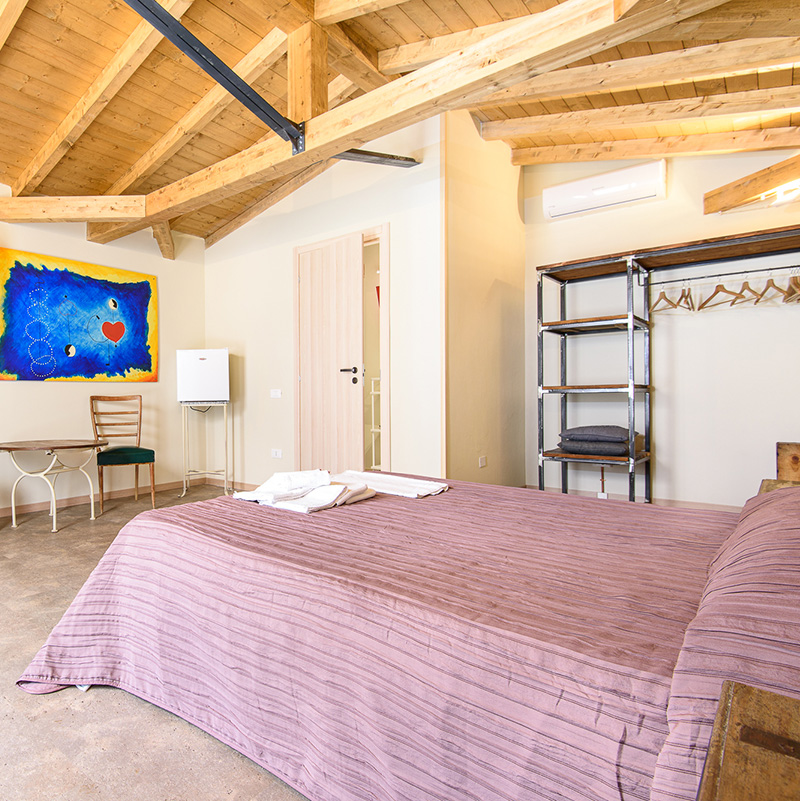
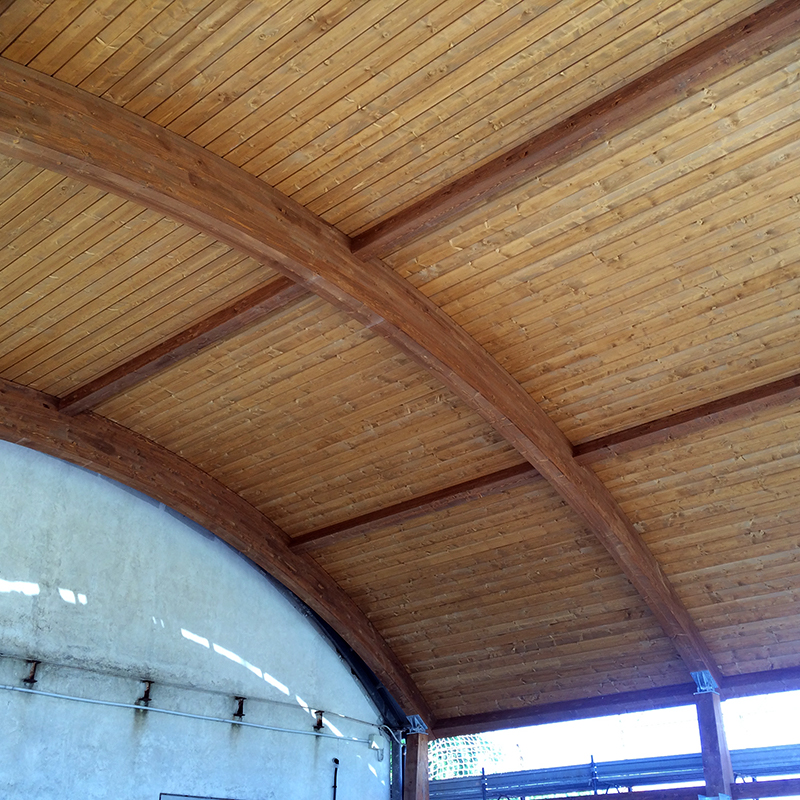
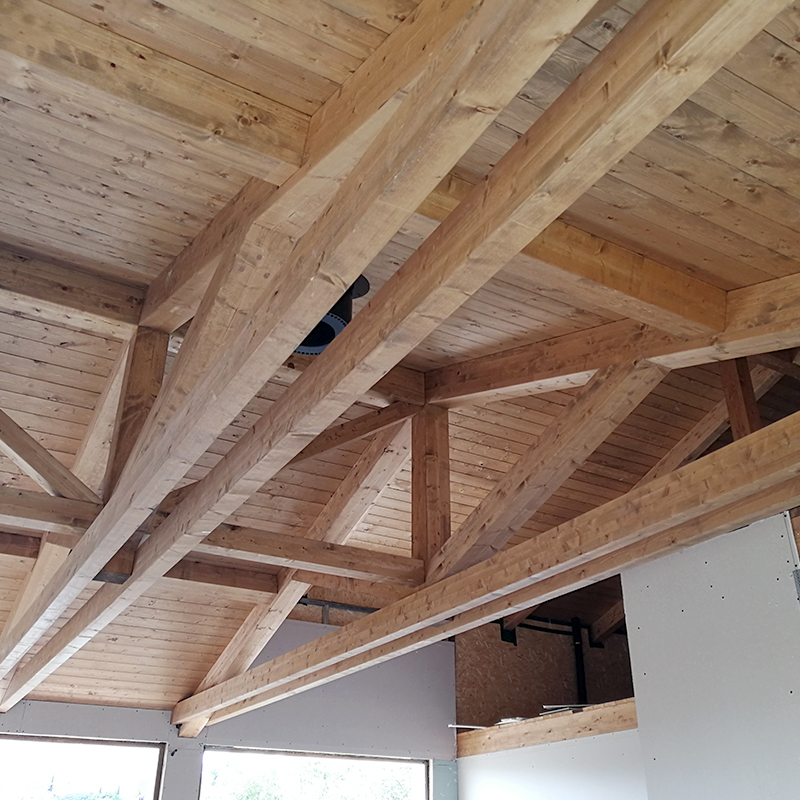
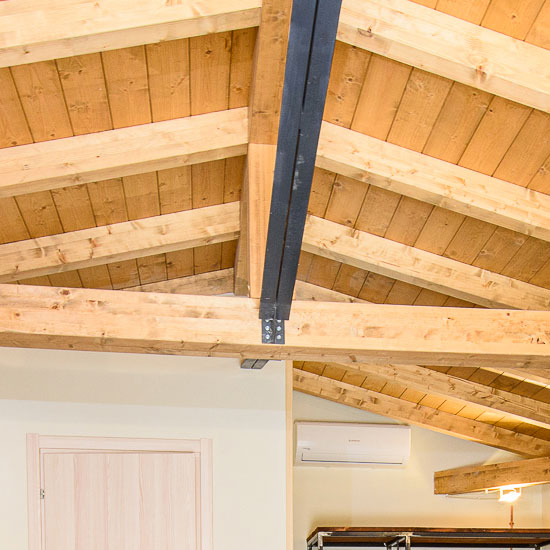
Bioarchitecture, wooden constructions and sustainable construction.
Bioarchitecture refers to the set of architectural disciplines that presuppose an ecologically correct attitude towards the ecosystem, or the tendency of architecture to favor the design and construction of buildings that take into account all ecological aspects relating to the choice of materials to be used and the best use of natural resources, with a view to energy saving and environmental protection.
It is difficult to combine each component within the building body as being derived from bio manufacturing. This is because, for example, many of the components of the building body undergo treatments in the manufacturing process that, although bio, derive from the use of by-products that cannot be fully certified as such. The concrete approach of wooden construction is different, which together with steel constructions are a valid alternative to traditional masonry and reinforced concrete construction.
One of the main advantages in the construction of wooden buildings is the reduction of construction times. Since wood is a light material, each element is easily transportable and manageable on the construction site; furthermore, assembly, carried out entirely dry using mechanical connections with steel plates, screws, nails and bolts, is quicker. Wood is renewable and recyclable; it consumes very little energy in the production and installation phases, does not release emissions, dust or harmful fibres during use and can be disposed of without polluting, returning the accumulated energy if it is used for waste-to-energy but cannot be defined as a basic product for the construction of bio architecture. Being an excellent thermal insulator and a good acoustic insulator, it already ensures good thermal-acoustic insulation. Furthermore, the use of natural materials based on wood or its derivatives for the insulation package helps to improve breathability.
Wooden buildings represent an excellent ecological compromise compared to traditional buildings.